
In shortGoing headless splits your tracking in two. A headless store is really two websites: your custom storefront and Shopify's checkout. If they don't share the same IDs and consent, your ad platforms see sales without knowing which ad brought them. This video gives the plan in four core steps plus two optional upgrades.
Chapters
The plan
- Consent first: one consent choice that both the storefront and the checkout respect.
- Catch the IDs: keep click IDs and visitor IDs from the first page view.
- Storefront events: product views, add to cart and other browsing events from your custom front end.
- The checkout: purchases from Shopify's checkout, tied back to the same IDs.
- Upgrade: one front door for your data, on your own domain (for example store.com/data).
- Upgrade: track subscription renewals that happen with no browser involved.
Common questions
Why do headless stores lose attribution?
The storefront and the checkout run on different systems. Unless IDs and consent are passed between them, the purchase arrives without the information that links it to the ad click.
Related videos
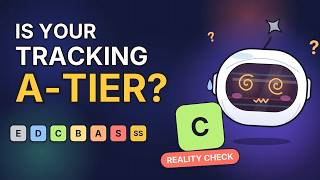 1:35
Conversion tracking tier list: where does your setup rank?
Rank your tracking from E to SS in 90 seconds. Most accounts land at a C.
October 2026 1:34
Offline conversions explained: give your ads credit for sales that close later
Sales that close by phone or in a CRM, sent back to Google and Meta.
October 2026 6:31
How GA4 works: a plain overview for non-technical teams
How Google Analytics 4 collects data, explained for non-technical teams.
October 2024